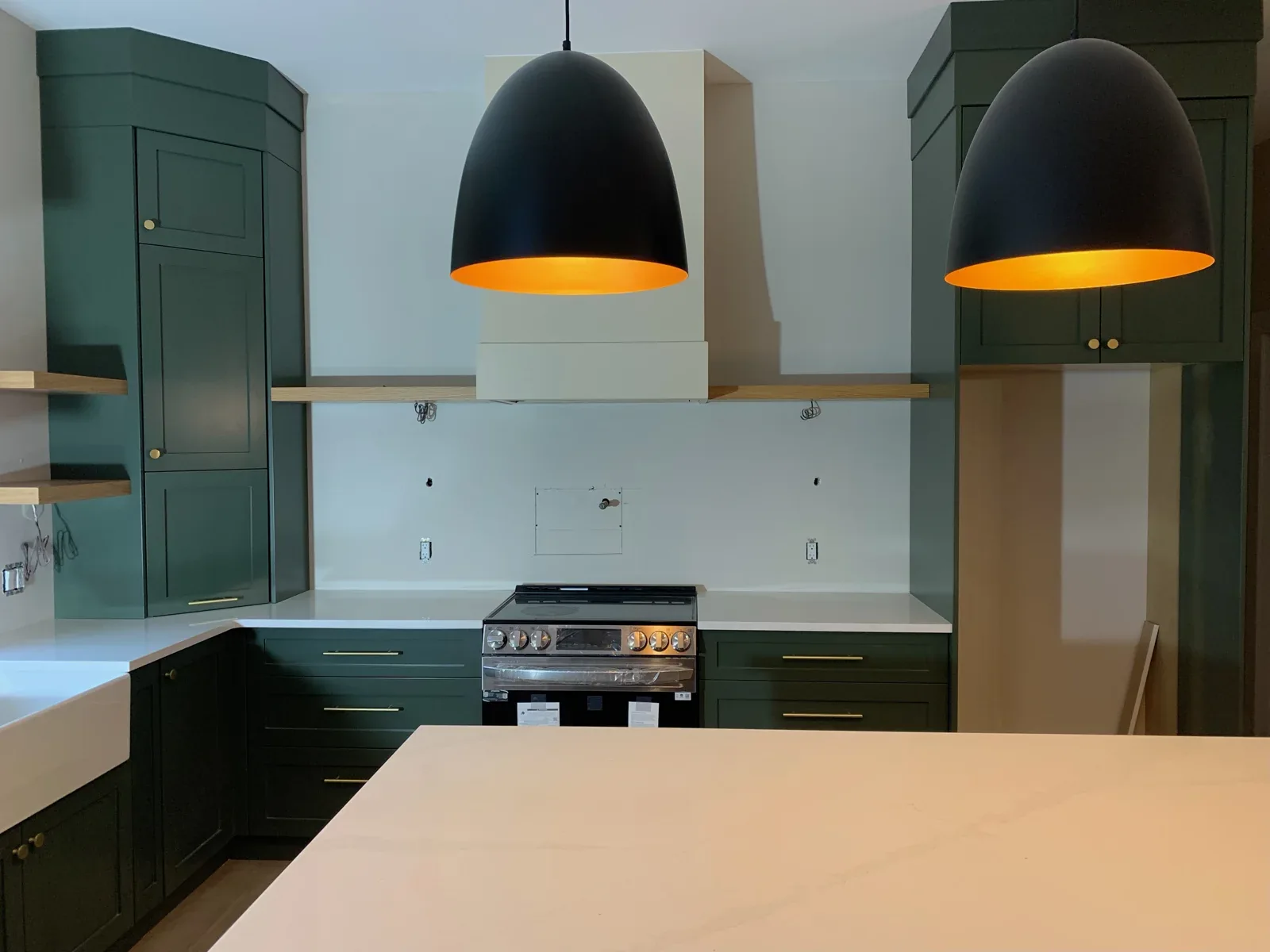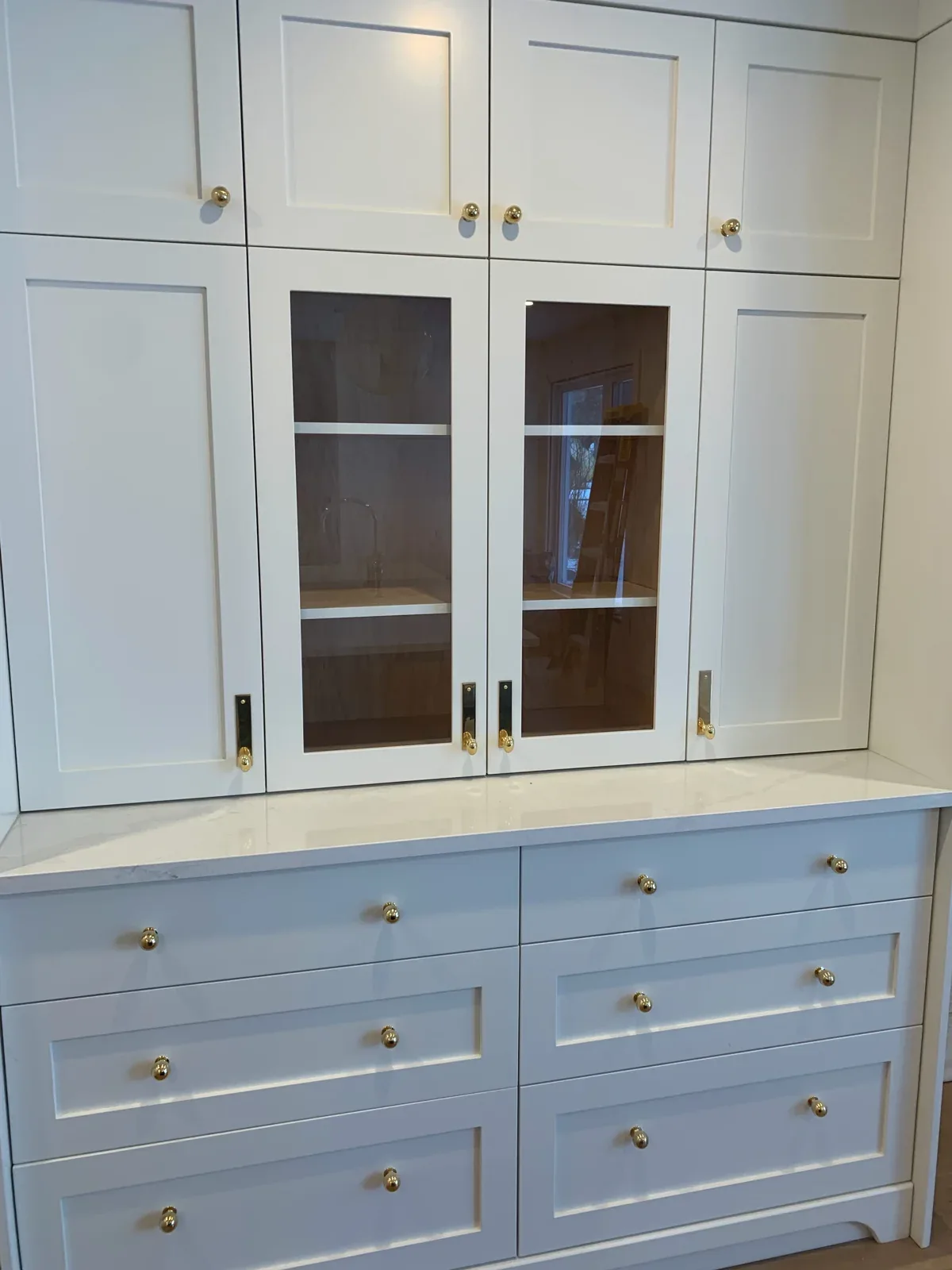
Cabinet care becomes easier when it fits the way a household actually uses its kitchen. A small spill beside the sink, a kettle tucked beneath an upper cabinet, and a drawer that catches every February deserve different responses. Treating every mark with a stronger cleaner or every movement with a screwdriver can turn a manageable issue into unnecessary damage.
The useful starting point is your own cabinetry documentation. Identify the door material, finish, interior surface, and hardware wherever possible. A painted door, a clear finished wood door, and a decorative laminate may look similar from across the room while requiring different care. The manufacturer’s directions for the actual finish take priority over general advice, including the ideas in this guide.
Begin with a small care file
Keep the original finish description, approved cleaning instructions, hardware information, and any touch up product labels together. A phone folder works well. Add a photograph of the kitchen in ordinary daylight, including the sink base, dishwasher edges, and frequently used drawer fronts. These reference photographs make later changes easier to describe without relying on memory.
If you inherited the kitchen, ask the previous owner for invoices or product information before experimenting. Look for labels inside an accessible cabinet or drawer without dismantling anything. Where identification remains uncertain, send clear photographs to the supplier or a cabinet professional and explain what you want to clean or repair.
Avoid assuming that a product labelled for wood is suitable for every cabinet. The surface you touch is usually a finish, and its compatibility matters. Keep the approved cleaner separate from oven cleaners, stone treatments, disinfectants, and bathroom products so another family member does not accidentally substitute whatever bottle is nearest.
Make routine cleaning gentle and specific
A regular glance at the most handled surfaces is more useful than waiting for a thick film to develop. Focus on the areas around pulls, the drawer used for waste, and the doors beside food preparation. Follow the finish maker’s method, using a clean soft cloth and the recommended amount of moisture or cleaner. Leave the surface dry when the instructions call for it.
Do not interpret a stubborn mark as permission to scrub harder. First consider what caused it. A food residue, a greasy fingerprint, a scratch, and a change in sheen are different problems. If normal approved cleaning does not remove the mark, stop and ask for advice before trying an abrasive pad, solvent, or household recipe.
Use a cloth reserved for cabinetry rather than a dishcloth carrying grease or grit. Change it when it becomes dirty. Work in a manageable area where you can see the result, especially on dark or low sheen finishes. Good light helps distinguish remaining soil from a reflection, preventing repeated rubbing of an already clean spot.
Give spills a clear response
KraftMaid’s care guidance emphasizes prompt attention to spills and water marks, particularly near sinks and dishwashers. That is a sensible moment to consult your own finish instructions and remove the spill with the approved method. Do not leave a damp towel hanging over a cabinet door as a convenient drying rack.
After a spill, look beyond the obvious front face. Liquid may have reached the top edge of a door, the underside of a pull, or an interior shelf. Open the cabinet when it is safe to do so and inspect the accessible area. The goal is to find the route the liquid took, not merely to remove the visible splash.
For a leaking container under the sink, remove nearby belongings so the affected area can be assessed. Photograph any swelling, lifting, or discolouration before arranging help. If moisture keeps returning, investigate its source with the appropriate professional. Repeatedly wiping a wet cabinet does not resolve a plumbing or appliance problem.
Watch where steam and heat collect
Look at the kitchen while it is being used. Does a small appliance release steam directly beneath a door? Does a warm, damp plume reach the same cabinet edge every morning? Is an oven or dishwasher operating differently from before? These observations help identify patterns that a general cleaning session can miss.
Choose countertop appliance locations according to their operating instructions and the surrounding finish requirements. A location that is convenient for storage may not be suitable during operation. Make sure any proposed move remains safe for the appliance and its cord, and ask the manufacturer about uncertain clearances rather than improvising a shield or enclosure.
Use installed ventilation as intended and follow each appliance’s guidance. Do not adopt a universal habit of propping a dishwasher open immediately after a cycle; drying systems and installation arrangements differ. If adjacent cabinetry repeatedly becomes damp or unusually hot, document when it happens and have the appliance and installation reviewed.
Understand seasonal movement without dismissing damage
Wood exchanges moisture with its surroundings. The Canadian Conservation Institute explains that it expands as humidity rises and contracts as the air becomes drier. In cabinetry, the visible result depends on the material, construction, finish, and room conditions. A small seasonal change does not automatically identify a defect, but neither does the word seasonal explain every problem.
Keep observations simple. Note the date, room conditions if available, and whether one door or several are affected. Photograph the gap from the same position each time. A comparison across several weeks is often more useful than a close up taken once without context.
Do not sand a rubbing door, fill a moving joint, or force a panel back into place based only on the calendar. Those changes may be difficult to reverse. Ask the cabinet supplier to distinguish expected movement from a loose fitting, installation concern, water exposure, or another cause before deciding on a repair.
Pay attention during the heating season
Ottawa and Gatineau households often change their routines when heating is in use. Windows stay closed more often, cooking patterns shift, and wet coats or boots may enter through a mudroom lined with cabinetry. Use that transition as a reminder to observe the rooms, without assuming every house needs the same humidity setting.
A room humidity reading can provide useful context, but place and interpret the device according to its instructions. Share the reading with the cabinet supplier if movement becomes a concern. Indoor moisture management should consider the building as well as the cabinetry; increasing humidity indiscriminately is not a cabinet repair strategy.
At an entry bench, make a practical place for wet belongings that does not leave water against cabinet edges. Check beneath removable mats or trays as part of ordinary housekeeping. If the household has changed its winter storage habits, adjust the arrangement before a repeatedly wet spot becomes a familiar part of the room.
Reassess the room when warmer weather arrives
A seasonal check does not need to become a major project. Open the doors you rarely use, look inside the sink cabinet, and notice whether stored items are crowding the hardware. Compare any previously recorded issue with the earlier photograph. A door that now closes normally is useful information to share, not a reason to erase the record.
Consider changes in how the room is used. A drinks station may move beside a window, a large countertop appliance may replace a smaller one, or summer gatherings may keep the dishwasher running more frequently. Each change can shift where spills, heat, or repeated contact occur.
If room conditions are difficult to manage, ask the appropriate building or mechanical professional for advice suited to the home. The aim is a suitable indoor environment supported by the cabinetry manufacturer’s requirements. There is no single seasonal adjustment that fits an older Gatineau house, a newer Ottawa condominium, and every kitchen between them.
Keep storage from becoming a hardware problem
Before treating a sticky drawer as a failed slide, look for an obvious obstruction. A utensil may be standing too tall, a liner may have folded, or an item may have slipped behind the drawer. Inspect only what is readily accessible and avoid reaching blindly into moving hardware or removing a heavy assembly without guidance.
Review how the cabinet is loaded. A drawer originally used for linens may now hold dense cookware. A pantry shelf may have acquired a row of large jars. Ask for the applicable shelf or hardware loading information rather than assuming the cabinet can accept anything that physically fits.
Use handles as intended and keep children from climbing drawers or hanging on doors. For an accessible household routine, place frequently used items where the intended user can reach them comfortably. Reducing awkward pulling and repeated impacts benefits both the cabinetry and the people using it.
Approach minor issues with restraint
A loose pull, changed door alignment, or missing bumper can feel like an invitation to adjust everything at once. Start by recording the symptom. Does the door catch only when a neighbouring drawer is open? Does the pull move at one end? Does the issue happen with an empty drawer as well as a loaded one?
Hardware systems differ, so use the instructions for the identified model if an owner adjustment is appropriate. Avoid turning unfamiliar screws simply to see what happens. A cabinet professional can often give more useful guidance when supplied with a clear photograph of the hardware and a short video of the problem.
For scratches or chips, ask about an approved repair method and colour match. A generic marker may change the appearance without restoring the original finish. Store any supplied touch up material according to its label, and keep its identification with the care file so future work does not depend on guessing.
Know when cleaning should stop
Persistent dampness, swollen components, a detached hinge, a cabinet that moves unexpectedly, or a door that could fall deserves assessment. Stop using the affected part where necessary and keep the area clear. Do not describe a structural or attachment concern as normal wear merely because the kitchen is older.
For a finish concern, record the cleaner used, the location, and when the change appeared. Include whether a spill, appliance event, or new cleaning routine preceded it. Factual notes are more helpful than trying several additional remedies before calling, because each experiment can make the original condition harder to evaluate.
Your first contact may be the cabinet supplier, an appliance technician, or a plumbing professional depending on the symptom. Explain what you can observe without diagnosing the cause. A photograph of the whole area alongside a detailed image helps that person understand the relationship between the cabinet and its surroundings.
Build a routine the household will keep
The best care system is short enough to survive a busy week. Keep an approved cloth and product easy to identify, give wet towels their own place, and make prompt spill cleanup part of the room’s normal use. Add a quick cabinet check when you already reorganize groceries or change seasonal entry storage.
Share the essentials with anyone who cleans the home. Explain that an unfamiliar stain should be reported rather than attacked with a stronger product. Leave the care information available, particularly after a renovation when new materials may look familiar but have different requirements from the surfaces they replaced.
Cabinetry does not need constant polishing or anxious inspection to be well cared for. It needs attention to the actual finish, sensible habits around moisture and heat, and a measured response when something changes. A few clear observations made early give you a better basis for help and keep small questions from turning into avoidable repairs.